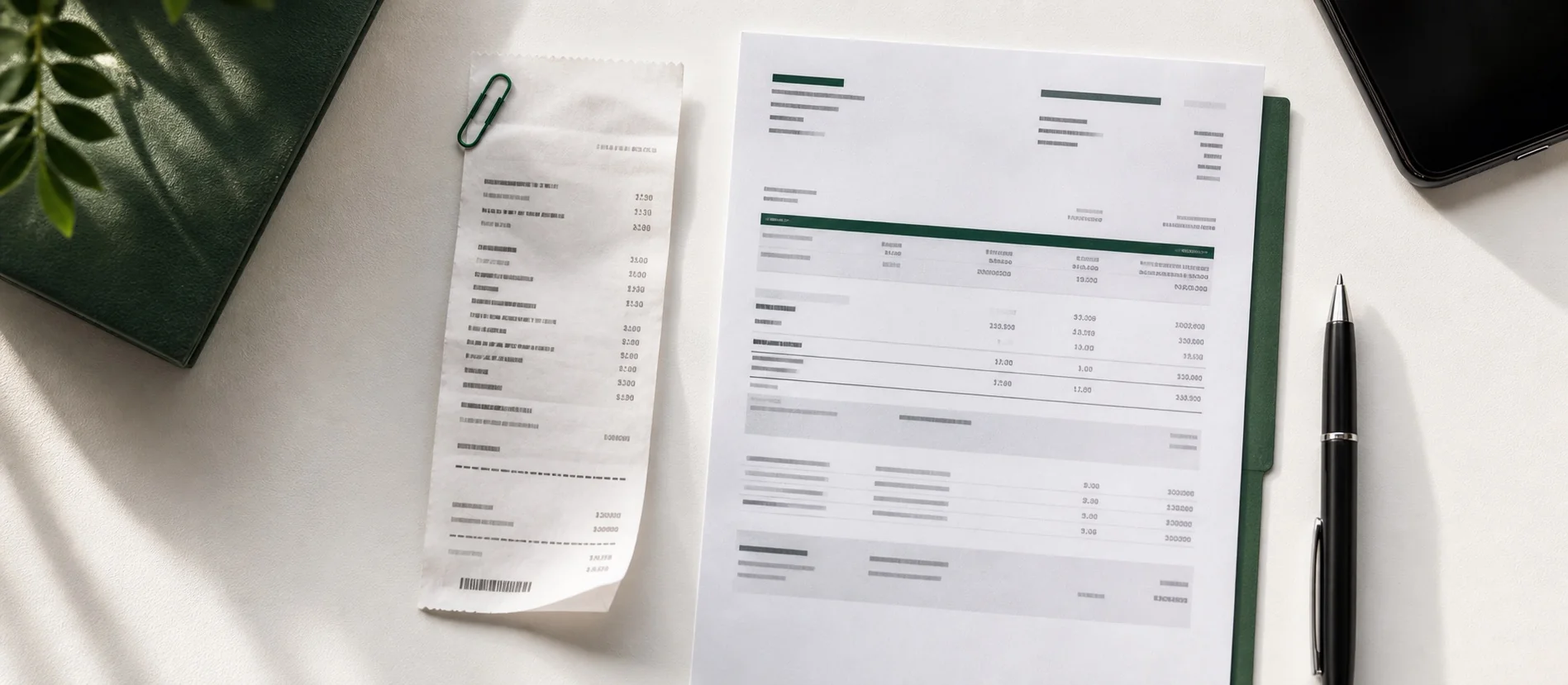
Receipt Tracking for Delivery Drivers: What DoorDash, Uber Eats, and Instacart Workers Should Save in 2026
Your delivery app tracks orders, not every cost of doing the work. Learn which records to preserve and how to build a five-minute end-of-shift routine.
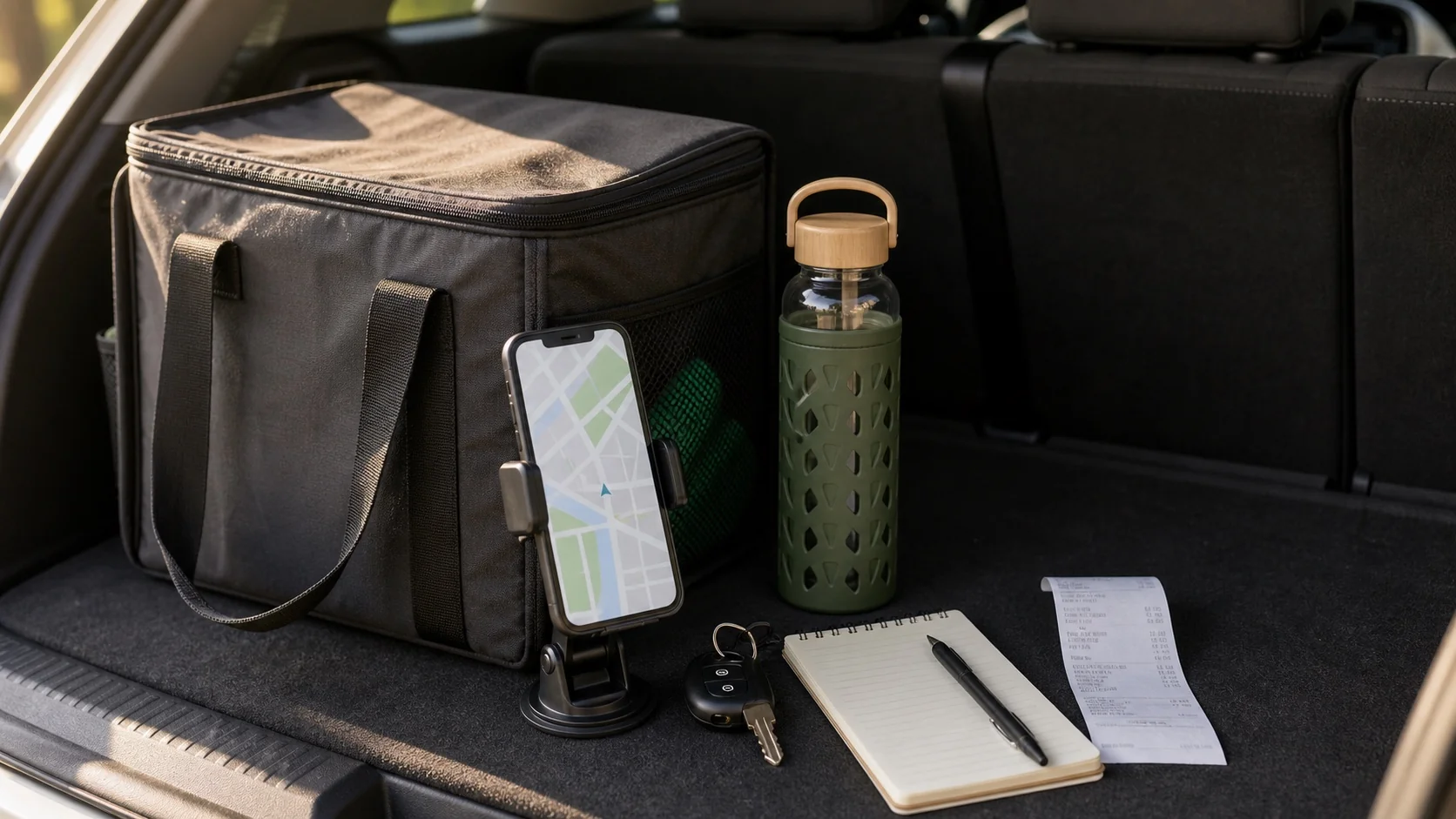
Delivery work creates a strange kind of financial blur. Your phone is personal and business. Your car is personal and business. A fuel stop might support both. Meanwhile, the platform records completed orders and payouts, but it does not build a complete record of every cost you incurred to earn them.
A useful system separates two streams: records of the income you received and records of the expenses you paid. This guide focuses on preserving the second stream so you and your tax professional can review it later. It is organization guidance, not a promise that every listed cost is deductible.
Your delivery app is not your complete business record
The IRS treats delivery services as part of the gig economy and says gig income is taxable even when it is part-time, temporary, paid in cash, or not reported on an information return. Platform summaries can help document income, but your business records also need to support the expenses you claim.
| Record stream | Examples | Why it matters |
|---|---|---|
| Income | Platform payout summaries, 1099 forms, tips, bonuses, and adjustments | Shows how much the work produced |
| Vehicle use | Mileage log, trip dates, destinations, and business purpose | Separates delivery driving from personal use |
| Purchases | Fuel, supplies, phone accessories, bags, cleaning, repairs, and maintenance records | Preserves cost and item detail for later review |
| Fees | Platform fees, tolls, parking, and payment-processing records | Captures costs that may not look like ordinary store receipts |
| Work context | Calendar notes, shift history, and delivery activity | Helps connect dates and purchases to the business |
Start with separation
Keep income records and expense records in the same monthly system, but do not treat a platform payout as a complete picture of profit.
Receipts and records worth preserving
Save records broadly and decide tax treatment later. Throwing away a receipt is permanent; asking a tax professional whether it applies is easy. The exact treatment depends on whether the cost was ordinary, necessary, and properly allocated to your work.
- Vehicle records: fuel, oil, repairs, tires, insurance, registration, lease payments, and depreciation-related purchase documents.
- Trip records: business miles, delivery dates, starting and ending locations, and business purpose.
- Road costs: business-related parking and toll records.
- Delivery equipment: insulated bags, drink carriers, carts, flashlights, phone mounts, charging cables, and portable batteries.
- Phone and connectivity: phone bills, data-plan records, and device purchase documents when the phone has business use.
- Cleaning and safety supplies used for delivery work.
- Platform statements showing fees, adjustments, incentives, and payouts.
- Professional costs such as tax preparation or business software records when applicable.
Keep does not mean deduct
Preserving a document simply keeps the question open. Personal expenses are not transformed into business expenses because they happened during a shift, and mixed-use costs may require allocation.
Mileage method vs actual vehicle expenses
Self-employed drivers generally calculate eligible car expenses using either the standard mileage rate or the actual-expense method, subject to IRS rules and qualifications. For 2026, the IRS business standard mileage rate is 72.5 cents per business mile. Rates can change each year, so verify the rate for the tax year you are filing.
| Method | Core record | What to preserve |
|---|---|---|
| Standard mileage rate | A reliable log of business miles | Trip date, destination, purpose, business miles, and total annual vehicle miles |
| Actual expenses | Business-use percentage plus actual vehicle costs | Mileage records and receipts for fuel, repairs, insurance, registration, lease costs, or depreciation support |
| Either method | Separate business-related road costs | Records for qualifying parking fees and tolls |
ReceiptNest organizes purchase records; it is not a mileage tracker. Use a contemporaneous mileage log or a suitable mileage app for trips, then keep the resulting report beside your receipt archive.
Do not wait to choose what to record
Keep mileage and vehicle-cost records during the year. That gives your tax professional better information for evaluating which permitted method fits your situation.
How to handle expenses that are both personal and business
Mixed use is normal for independent drivers. The goal is not to pretend the personal use disappeared. The goal is to preserve enough information to calculate and explain the business portion.
- Keep a consistent mileage log that distinguishes delivery trips from personal driving and commuting.
- Save the complete phone bill and document a reasonable business-use method instead of labeling the entire bill as work.
- For a store transaction containing personal and delivery supplies, keep the itemized receipt and mark the business items.
- Keep refunds and returns connected to the original purchase so your records do not overstate cost.
- Add a short note when the business relationship would not be obvious to someone reviewing the record later.
A clean record makes the gray areas visible. That is far more useful than a folder where every gas charge and phone payment is assumed to be entirely business-related.
The five-minute end-of-shift receipt routine
Delivery drivers do not need a second job as a bookkeeper. The best workflow happens while you are already sitting in the car and the day's purchases are still easy to remember.
- 01End or confirm the shift in your delivery apps and make sure the trip is captured in your mileage log.
- 02Photograph paper receipts before they reach the cup holder, glove box, or floor.
- 03Forward email receipts or upload PDFs for online purchases and phone bills.
- 04Add a brief business-purpose note to unusual or mixed transactions.
- 05Review anything marked as needing attention, then leave the deeper reconciliation for your monthly review.
Use the car as a capture point, not a filing cabinet
Once a paper receipt is photographed and safely stored, move it out of the car. Heat, sunlight, spills, and time make thermal receipts fade quickly.
Monthly and quarterly review checklist
Daily capture keeps information from disappearing. Monthly and quarterly reviews turn those small records into a usable business history.
| Timing | Review |
|---|---|
| After each shift | Capture receipts, log mileage, and note unusual purchases |
| Weekly | Resolve unreadable images, missing amounts, and obvious duplicates |
| Monthly | Compare receipts with statements, platform activity, refunds, and mileage totals |
| Quarterly | Export organized records, review income and expenses, and discuss estimated tax needs if applicable |
| Year-end | Preserve platform tax forms, annual mileage totals, receipt exports, and asset records |
The result should be easy for another person to follow. A tax professional should not have to decode screenshots, unexplained bank transactions, and a single annual mileage estimate.
What to prepare for a tax-professional handoff
- Platform income summaries and tax forms.
- Receipt exports with merchant, date, and amount. ReceiptNest category-view exports also include the category; monthly exports do not.
- Your mileage report with business and total vehicle miles.
- Vehicle purchase or lease documents and records of major repairs or improvements.
- Notes explaining mixed-use calculations and unusual transactions.
- A short list of unresolved questions instead of silently guessing.
Good records do more than support tax preparation. They show whether the work is actually profitable after vehicle, phone, equipment, and platform costs. That is the number worth knowing before you accept the next shift.
FAQ
What receipts should a delivery driver keep?
Preserve records for vehicle costs, business mileage, tolls and parking, delivery equipment, phone and connectivity costs, supplies, platform fees, and other purchases related to the work. A tax professional can determine which costs qualify and how mixed-use expenses should be allocated.
Do I need fuel receipts if I use the standard mileage rate?
The standard mileage method depends primarily on adequate mileage records rather than deducting each operating cost separately. Keeping vehicle-cost records during the year can still help with comparisons, business analysis, and situations where your method or eligibility needs review.
Can delivery drivers deduct both mileage and gas?
Generally, the standard mileage rate and actual vehicle expenses are alternative methods for the same vehicle use; you do not add gas on top of the standard mileage rate. Rules and eligibility vary, so confirm your method with a qualified tax professional.
Does ReceiptNest track delivery mileage?
No. ReceiptNest organizes receipts from photos, email, and PDFs. Use a mileage log or mileage-tracking app for trips, and keep that report with your receipt records.
Take the next step with your receipts.
Start with a few receipts, check the extracted details, and inspect the export before handing records to someone else.